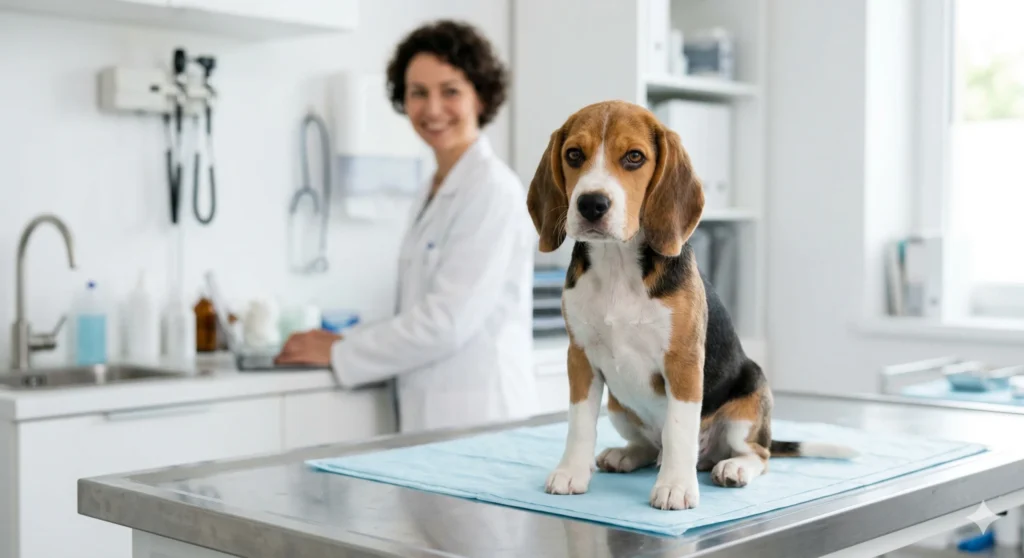
Puppy’s First Vet Visit — What to Expect
Bringing home a new puppy is exciting—but one of the most important first steps is scheduling their first veterinary visit. This appointment sets the foundation for your puppy’s lifelong health and helps catch any potential issues early.
If you’re a new pet parent, here’s exactly what to expect during your puppy’s first vet visit—and how to prepare for it.
🩺 Why the First Vet Visit Is So Important

Your puppy’s first checkup is more than just a routine visit. It helps:
- Establish a health baseline
- Detect congenital or early health problems
- Start vaccinations and parasite prevention
- Give you expert guidance on nutrition and care
Ideally, schedule this visit within the first week of bringing your puppy home.
What to Bring to the Appointment
Being prepared makes the visit smoother and more productive.
Bring:
- Any medical records from the breeder or shelter
- Vaccination history (if available)
- A stool sample (for parasite testing)
- Your puppy’s food details
- A list of questions or concerns
Tip: Keep your puppy in a secure carrier or on a leash to reduce stress.
What Happens During the Visit
Your vet will perform a thorough physical exam, including:
1. Full Body Check
- Eyes, ears, nose, and teeth
- Skin and coat condition
- Heart and lungs
- Weight and body condition
2. Parasite Screening
- Stool test for worms
- Check for fleas and ticks
3. Vaccinations
Your puppy may receive core vaccines such as:
- Distemper
- Parvovirus
- Rabies (depending on age)
4. Discussion & Guidance
Your vet will talk to you about:
- Feeding schedule
- Training basics
- Socialization
- Grooming needs
Vaccination Schedule Overview
Puppies need a series of vaccinations over time.
Typical schedule:
- 6–8 weeks: First vaccines
- 10–12 weeks: Booster shots
- 14–16 weeks: Final boosters + rabies
Your vet will customize this based on your puppy’s needs.
Common Questions You Can Ask Your Vet
Don’t hesitate to ask! Some helpful questions include:
- What is the best food for my puppy?
- How often should I feed them?
- When should I start training?
- What parasite prevention is recommended?
- When should I schedule the next visit?
Signs to Watch After the Visit
After vaccinations, mild reactions are normal, but watch for:
- Swelling at injection site
- Mild fever or tiredness
- Temporary loss of appetite
Contact your vet immediately if you notice:
- Vomiting
- Difficulty breathing
- Severe lethargy
Final Thoughts
Your puppy’s first vet visit is a crucial step toward a healthy, happy life. It may feel overwhelming at first, but it’s also a great opportunity to build a relationship with your veterinarian and get expert advice.
By being prepared and informed, you’ll make the experience smooth—for both you and your puppy.
FAQs
Q: When should I take my puppy to the vet for the first time?
A: Within the first week of bringing them home, ideally at 6–8 weeks of age.
Q: How long does the first vet visit take?
A: Usually 30–60 minutes.
Q: Are vaccinations painful for puppies?
A: They may feel a quick pinch, but it’s brief and necessary for protection.
Call to Action
New puppy parent? Save this guide and share it with friends who just adopted a furry companion!
